
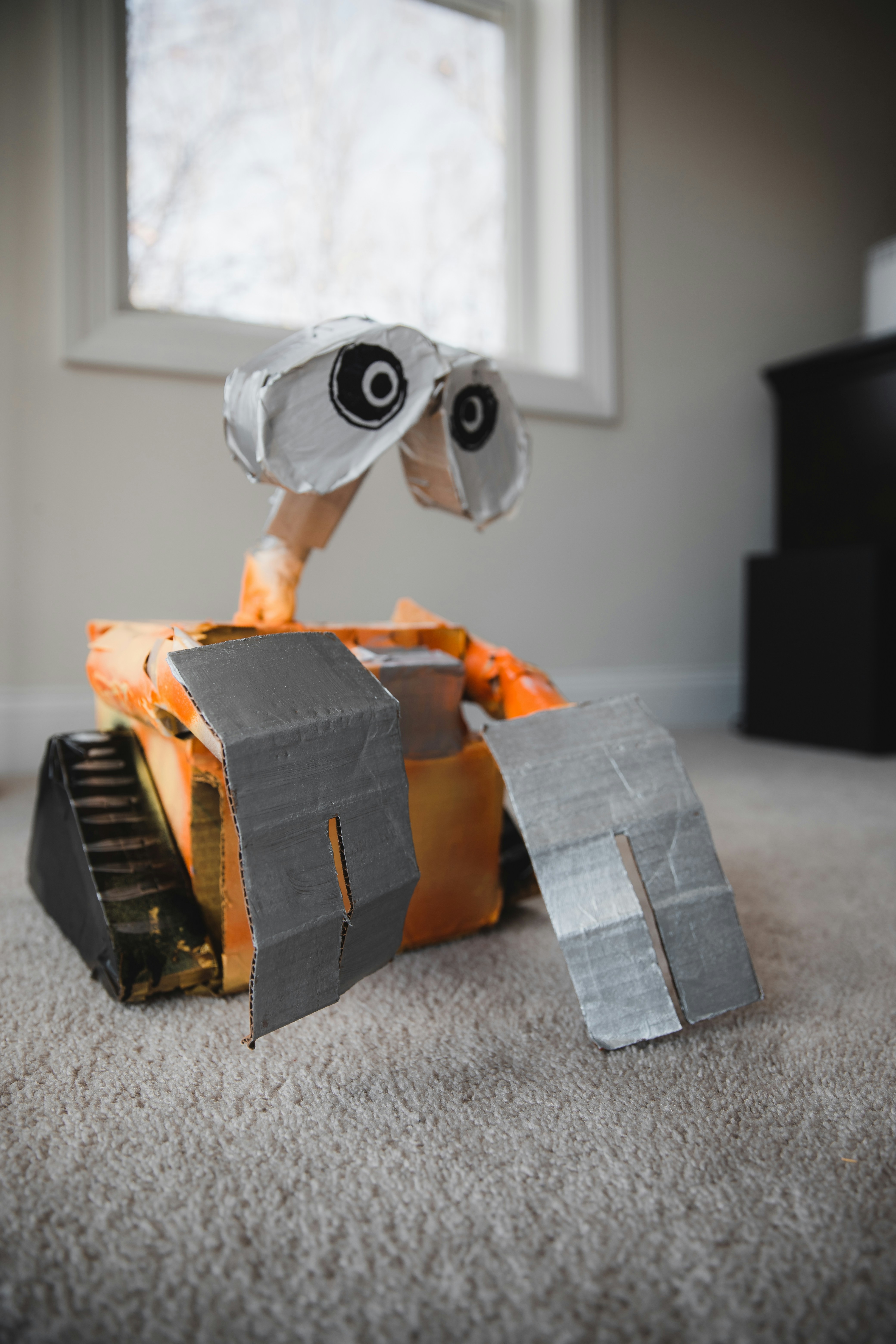
Introduction to Animation for Kids
Animation represents a captivating intersection of art and technology, inviting children to step into a world where their imagination can take flight. For many kids, the appeal of animation lies in its dynamic nature, as it breathes life into their favorite characters and stories, transforming static images into engaging visual narratives. This form of visual storytelling not only entertains but also serves as a powerful medium for fostering creativity.
One of the most exciting aspects of animation is the opportunity it provides for children to explore their artistic expression. As they create animated stories, kids learn to convey ideas and emotions through characters, scenes, and movements, which helps them develop effective storytelling skills. In doing so, they discover the importance of plot structure and character development, laying the foundation for strong narrative skills that are valuable in various forms of communication.
Moreover, animation encourages problem-solving and critical thinking. Children must navigate challenges such as how to animate a complex scene, synchronize sound effects, or develop their unique visual style. Through this hands-on experience, they cultivate a toolkit of technical skills and resilience, all while having fun. Engaging with animation helps kids learn to troubleshoot and iterate on their ideas, skills that are essential in both artistic endeavors and everyday life.
Furthermore, animation integrates the use of technology in a way that is both accessible and intuitive for children. With numerous tools and software available for budding animators, kids are empowered to explore and innovate. This blend of creativity and technical know-how not only makes animation an enriching educational experience but also positions children to be well-versed in digital literacy, an increasingly important skill in our technology-driven world.
Benefits of Maker Projects in Animation
Engaging kids in maker projects related to animation offers numerous benefits that can significantly enhance their development. Firstly, these projects ignite creativity, allowing children to express their thoughts and imagination through visual storytelling. By working on animation projects, kids learn to transform their ideas into tangible creations, fostering a sense of accomplishment that encourages further exploration.
Moreover, maker projects provide a unique avenue for experiential learning. Hands-on experiences are proven to facilitate comprehension in various subject areas, including art, technology, and storytelling. When children participate in animation projects, they not only learn technical skills such as using animation software but also grasp concepts like timing, frame rates, and narrative structure. These acquired skills often transcend the bounds of individual projects, empowering children to bring their innovative ideas to life in multiple contexts.
Collaboration is another essential advantage of engaging in maker projects. Animation often involves teamwork, where children work together to brainstorm, design, and produce animated content. This collaborative process helps develop vital social skills such as communication, compromise, and problem-solving. Through teamwork, kids can appreciate diverse perspectives and learn how to constructively critique and support one another during the creative process.
Furthermore, as maker projects encourage active participation, they serve as a remedy for excessive screen time. By shifting focus from passive consumption of digital media towards active engagement in the creation of animated content, children are prompted to be more involved. As a result, they not only gain valuable skills but also develop a deeper understanding and appreciation for the art of animation. In conclusion, maker projects in animation pave the way for holistic growth, encompassing creativity, education, collaboration, and healthy habits among children.
Essential Tools and Materials for Animation Projects
Animation is a wonderful way for children to express their creativity and hone their storytelling skills. To embark on an exciting animation project, it is essential to gather the necessary tools and materials that will enhance the overall experience. Below is a comprehensive list of essentials that young animators will find useful.
First, art supplies are fundamental for creating characters and backgrounds. Items such as colored pencils, markers, watercolors, and construction paper should be readily available. If your child prefers digital art, a graphics tablet can be a great investment, allowing for more precise and versatile drawing capabilities.
When it comes to animation software, there are numerous options suited for beginners and kids alike. Programs like Blender provide free access and feature rich tools that can cater to various animation styles, including 2D and 3D animation. Other user-friendly tools such as Pencil2D and TupiTube offer straightforward interfaces, making it easy for kids to learn the basics without overwhelming complexity.
In addition to software, certain hardware components will aid in the animation process. A computer or tablet with a good graphics card is crucial for running animation software smoothly. In terms of cameras, a simple smartphone or webcam can serve well for stop-motion animation projects. Budget-friendly solutions can be found by utilizing existing household devices or even second-hand options.
Accessibility is key; therefore, explore local libraries or community centers for workshops that may provide free access to resources. Online tutorials and forums can also guide young animators in using various tools effectively. By providing these essential materials, children can fully immerse themselves in their animation projects and bring their imaginative ideas to life.
Simple Stop-Motion Animation Techniques
Stop-motion animation is a fascinating technique that allows creators to bring inanimate objects to life through a series of photographs. It is a perfect entry point for kids who have an interest in animation, as it showcases creativity while being easy to understand and execute. The process can be accomplished using simple materials readily found in the household, which makes it accessible and engaging for children.
To begin, select a subject for the animation, such as toys, clay figures, or everyday items like fruits or stationery. Once the subject is chosen, gather a camera or a smartphone with a decent camera feature. Ensuring the device remains stable during the capture is crucial; a tripod or a stack of books can help achieve a steady shot. Setting the camera at eye level with the subject provides a more immersive perspective, enhancing the overall quality of the animation.
Lighting plays an essential role in stop-motion animation. It is advisable to use consistent lighting to minimize shadows, which can distract from the animation’s fluidity. Natural light might be ideal, but if it fluctuates, then bright lamps or studio lights can be used to maintain uniformity. Clear and focused visuals will engage viewers effectively, showcasing the intricacies of the animation.
The storytelling aspect is equally pivotal for a compelling animation. Encourage kids to develop a simple narrative that can be expressed through their created scenes. Planning out the story with basic sketches helps in visualizing the flow of the animation. Kids should take a series of photos, moving their subjects slightly in between each shot to create the illusion of movement when played in sequence. By continuously evaluating their work and making necessary adjustments, children will learn firsthand about the animation process.
Creating Animated GIFs and Stickers
In today’s digital age, animation has become an accessible and exciting way for kids to express their creativity. One particularly engaging medium is the creation of animated GIFs and stickers, which offers endless possibilities for fun and artistic expression. By utilizing simple software or apps, children can learn to animate their drawings or images, turning them into dynamic visual pieces.
To get started, children can use free applications such as GIMP, GIF Maker, or even mobile apps like Gif Me! or Pixaloop. These tools typically provide user-friendly interfaces, enabling kids to import images, add frames, and modify elements that create motion. For instance, a child can take a series of drawings they have created, upload them into the app, and preset the timing for each frame. This allows them to see their artwork come to life as it transitions from one frame to the next.
Once the animated GIF is complete, kids can share their creations with friends and family via social media or messaging apps. They can also use these animations as stickers in various platforms, enhancing communication with personalized responses. The process not only introduces children to the basics of animation but also boosts their digital literacy and understanding of visual storytelling.
Moreover, engaging in such creative projects encourages collaboration and idea-sharing among peers. Children can create GIFs together, exchange feedback, and inspire each other with different styles and concepts. Overall, creating animated GIFs and stickers is not just about learning a new skill; it also nurtures creativity and fosters a sense of accomplishment as kids see their ideas transform into animated art.
Combining Animation with Crafts
Blending animation with traditional crafts presents an exciting opportunity for kids to explore their creativity while honing their animation skills. Projects such as paper cut-out animations allow children to create dynamic characters and scenes using easily accessible materials like colored paper, scissors, and glue. This hands-on approach not only reinforces the fundamentals of animation but also nurtures fine motor skills as children cut, paste, and assemble their creations.
Another engaging project is the flipbook, a classic method for animating a sequence of images. Kids can start by sketching their favorite characters or objects on a series of small cards, ensuring that each drawing slightly differs from the one before it. When the pages are flipped quickly, the images appear to come to life, providing an immediate sense of accomplishment. Such projects are vital in teaching children the basics of timing and motion, fundamental concepts in animation.
The joy of combining animation with crafts lies in the freedom to experiment with various materials and techniques. For example, adding mixed media elements such as paint, stickers, or fabric can enhance the visual appeal of their animated pieces. This not only diversifies the creative process but also teaches children the importance of resourcefulness and innovation.
In essence, these projects foster a deep appreciation for the art of animation while encouraging a hands-on approach to creation. The tactile experience of working with their hands complements the cognitive understanding of how animation functions, bridging the gap between theory and practice. As children engage in these crafts, they develop both their artistic sensibilities and their technical proficiency, laying a strong foundation for future endeavors in the realm of animation.
Exploring Animation Software and Online Resources
Animation is a captivating art form that allows children to express their creativity while honing technical skills. When it comes to animation software, there are various options available that cater to different age groups and skill levels. For younger kids, platforms like Toontastic and Powtoon provide intuitive interfaces that make storytelling and animation accessible. These tools enable children to create animated stories using pre-designed characters and backgrounds, encouraging imaginative play and narrative development.
For slightly older children or those ready for more complex projects, software such as Scratch allows users to create interactive animations through block-based coding. This promotes critical thinking and problem-solving skills as children learn to program their characters and backgrounds, teaching them the fundamentals of animation and coding in a fun environment. Another excellent tool is Blender, a comprehensive, open-source software that offers advanced options for 3D animation. While it may be more suitable for older kids or those with some experience, it opens a world of possibilities for creating professional-quality animations.
Beyond software, numerous online resources can enhance a child’s learning experience in animation. Websites such as Animation Mentor and Skillshare provide extensive tutorials covering various animation techniques and styles. These platforms often include worksheets and project ideas that can help children practice their skills. Furthermore, platforms like YouTube are treasure troves of free content, where numerous creators share tips and tricks for aspiring animators. By utilizing such resources, children not only acquire technical skills but also gain insights into animation theory and creative storytelling.
Showcasing Kids’ Animation Projects
Showcasing children’s animation projects is an essential step in the creative process that not only celebrates their hard work but also instills confidence in their abilities. When kids see their creations appreciated and recognized, it significantly enhances their self-esteem, encouraging them to pursue further artistic endeavors. There are various avenues through which these projects can be showcased effectively, creating opportunities for children to share their stories through animation with a broader audience.
One idea is to organize a local exhibition dedicated to the children’s work. This can be set up in a community center, library, or school, allowing families and friends to attend and view the animations. Such exhibitions can incorporate awards or recognition for different categories, boosting the children’s confidence and sense of achievement. Each animation can be displayed with a brief story or description, allowing the audience to understand the creative process behind the project and appreciate the individual effort.
Hosting a screening event is another excellent approach to showcasing kids’ animations. This can be a themed event where children present their animated short films to an audience. Providing popcorn and a comfortable viewing area creates a festive atmosphere, making it a memorable occasion for both the young animators and their viewers. Screenings can also include a Q&A session, allowing children to discuss their processes and inspirations, further enhancing their communication skills.
In our increasingly digital world, sharing work online is another method to showcase kids’ animation projects. This might involve creating a dedicated website or social media platform where children’s animations can be uploaded for a global audience to appreciate. Engaging in discussions with peers in online forums can help children gain feedback and foster growth in their animation skills.
Conclusion and Inspiration for Future Projects
Engaging in animation maker projects offers children a unique opportunity to blend creativity with technical skills, fostering a passion for storytelling and artistic expression. As young minds immerse themselves in the world of animation, they not only gain knowledge of various tools and techniques but also develop crucial cognitive skills such as problem-solving and critical thinking. The process of creating animated stories encourages kids to visualize their ideas, plan their projects meticulously, and adapt solutions as challenges arise.
The joy of animation lies in its ability to bring imagination to life. Each project, whether it involves stop-motion animation, digital cartoons, or simple flip books, serves as a canvas for self-expression. These experiences can spark a lifelong interest in the arts, science, and technology, as children discover the intricate connections between these fields through hands-on creation. Furthermore, animation projects can promote collaboration, allowing kids to work together, exchange ideas, and appreciate diverse perspectives in a creative environment.
As parents and guardians, encouraging your children to explore future animation projects can lead to wonderful discoveries. Remind them that there are no limits to what they can create, and to embrace their curiosity. Whether it’s experimenting with new animation styles, participating in workshops, or exploring online resources, every endeavor can cultivate new skills and enhance their understanding of this dynamic field.
Lastly, this journey into animation can be shared with family and friends, fostering a sense of community and camaraderie. Sharing animated works can inspire dialogue, constructive feedback, and new ideas. So, as kids embark on their next animation project, let them know that their creativity is a source of inspiration for others. The world of animation awaits their unique contributions!