
Understanding the Basics of Animation
Animation, in its essence, is the art of bringing static images to life by creating the illusion of movement. This is achieved through a series of images or frames displayed rapidly in succession. The principles established in traditional animation techniques serve as the foundation for modern digital methods. Understanding these fundamentals is essential for anyone interested in creating compelling animations.
One of the key concepts in animation is timing. Proper timing influences how characters and objects are perceived by the audience. It determines the speed at which actions occur, impacting the emotional weight of a scene. For instance, a quick, sharp movement can convey excitement or urgency, while slower movements can evoke a sense of calm or tension. Animators often use the principle of easing to create more natural movements, allowing characters to accelerate and decelerate as they move.
Another vital aspect is movement, which is not solely about how fast or where an object moves; it also encompasses the follow-through and overlapping actions that add realism. Characters do not stop on a dime; instead, their limbs and features will continue to move briefly after the main action has ceased. This is where understanding physics can greatly enhance the quality of animation. By applying these principles, animators can ensure that their work captivates viewers and communicates the intended narrative effectively.
The importance of frames cannot be overstated. Traditional animation often relies on a frame-by-frame approach, where each frame is meticulously drawn. Modern digital animation has built on this idea but utilizes software to streamline the process. The standard frame rate of 24 frames per second creates a smooth visual experience, crucial for immersive storytelling. Understanding how frames contribute to pacing and flow is vital for animators, as it directly impacts the audience’s engagement.
Tools and Materials for Animation
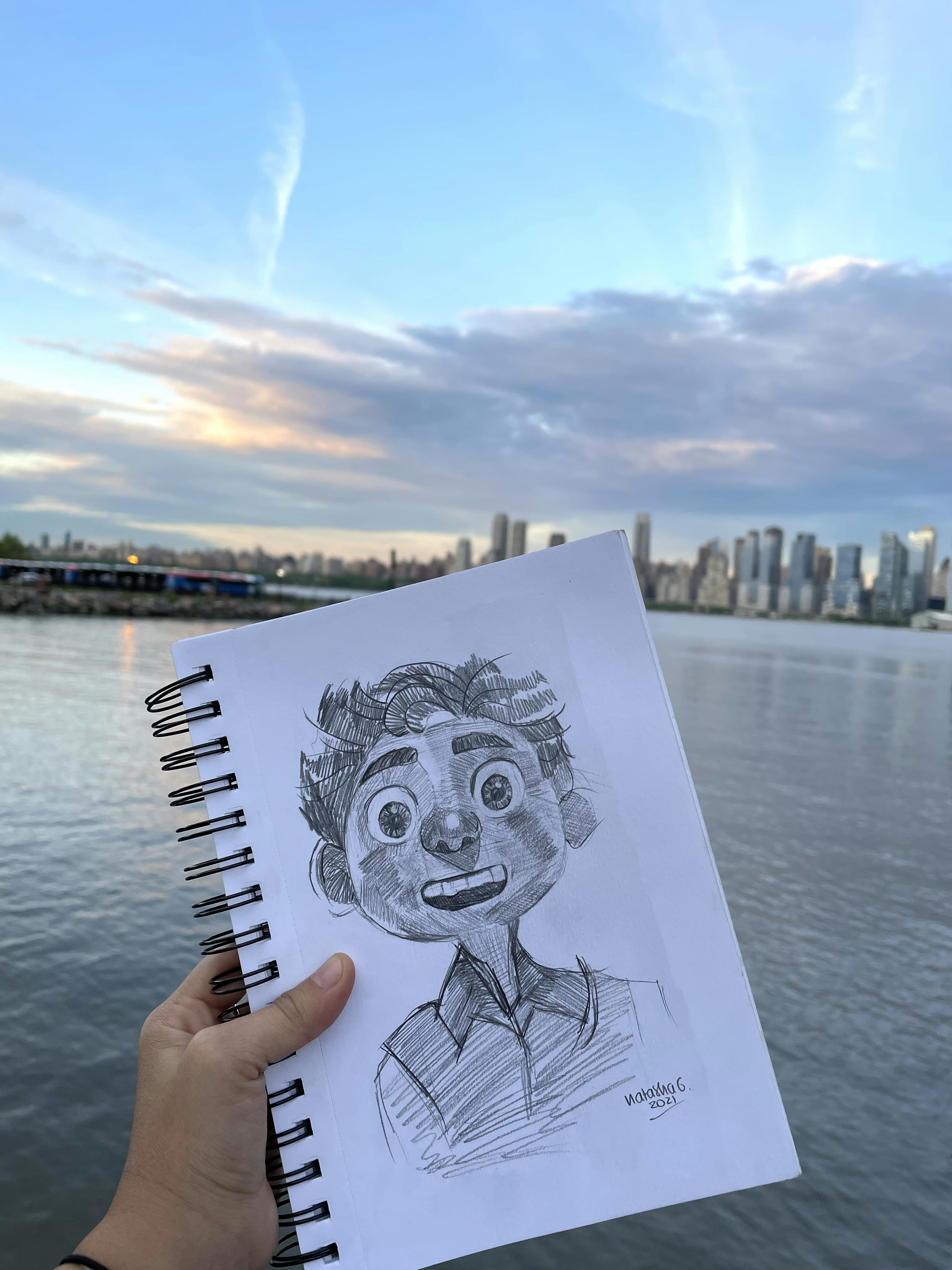
To embark on the journey of animation, it is essential to understand and utilize a range of tools and materials tailored to various animation techniques. For traditional animation, the fundamental tools include high-quality pencils and paper. Graphite pencils in various hardness levels allow for precise lines and rich shading, while animation paper, often marked with a grid or registration holes, ensures accurate frame alignment.
Advancing to digital animation, animators benefit from graphic tablets that provide a natural drawing experience. Popular options include Wacom Intuos and Huion tablets, which come equipped with customizable pressure sensitivity settings. These tools allow for fluid transitions between traditional drawing styles and digital manipulation.
In addition to tablets, animation software plays a pivotal role in bringing drawings to life. For beginners, applications such as OpenToonz or Pencil2D offer user-friendly interfaces with essential animation features. More advanced animators might opt for tools like Adobe Animate or Toon Boom Harmony, which provide comprehensive capabilities for creating professional-grade animations. These software solutions enable frame-by-frame animation as well as motion graphics, catering to a wide spectrum of artistic needs.
Furthermore, consider exploring additional materials such as lightboxes for tracing, markers for color application, and various types of paper, including grid sheets and animation cels. These elements enhance the overall animation process and contribute to a polished final product. Regardless of your experience level, equipping yourself with the right blend of tools and materials can significantly impact the quality of your animation projects.
Techniques for Drawing Animation
Animation is a multifaceted discipline that combines various techniques to breathe life into drawings. A solid foundation in character design is crucial, as it not only defines the visual appeal of the characters but also influences their personality and movements. When creating characters, artists should consider factors such as shape, color, and proportions to ensure that each character is distinct and relatable. Sketching multiple iterations of a character can help refine their design and establish a strong presence on-screen.
Storyboarding is another essential technique in animation. It serves as the blueprint for the animated sequence, outlining key scenes and transitions. A storyboard consists of a series of drawings that present the progression of the narrative, enabling artists to visualize how the animation will unfold. This preparatory step is vital for ensuring that the timing, scene composition, and character interactions are cohesively planned before diving into the animation production.
In-betweening, or interpolation, is the process of creating intermediary frames between key frames to create smooth motion. This technique allows animators to maintain fluidity in the movement of characters or objects. Various styles can be employed in the in-betweening process, such as traditional frame-by-frame animation or utilizing digital software that automates some aspects of this task. Each method offers its nuances and can be tailored to fit the desired aesthetic of the animation.
Overall, exploring different artistic styles and approaches when drawing animations is essential for artists to develop a unique voice. Whether opting for a cartoonish look or a more realistic representation, understanding these fundamental techniques can greatly enhance the animation process and result in captivating visuals that engage and resonate with audiences.
Tips for Bringing Your Animation to Life
Creating captivating animations requires not only technical skills but also a deep understanding of storytelling and character development. First and foremost, consistency in practice is crucial. By dedicating time each day or week to refine your animation techniques, you will gradually notice improvement in your work. This consistent practice helps you to master the tools of animation and develop a unique style.
Another essential aspect is receiving and learning from feedback. Sharing your animations with peers or communities can provide you with fresh perspectives. Constructive critiques can highlight areas for improvement that you might not have recognized. When applying feedback, be open to criticism and consider it as an opportunity to enhance your skills. Remember that even the most seasoned animators benefit from outside input.
Post-production processes play a significant role in bringing your animations to life. Utilize software that allows for editing and refining your work, focusing on aspect ratios, transitions, and final render quality. Additionally, sound design amplifies the emotional impact of your animation. Carefully chosen music and sound effects can help convey the intended mood and enhance the overall viewing experience.
Lastly, never underestimate the power of storytelling and character development. A well-crafted narrative can turn a simple animation into a compelling experience for your audience. Give depth to your characters with unique traits and relatable motivations, ensuring that viewers can connect with them emotionally. Strong character development fosters a captivating storyline and ultimately leads to more memorable animations.